BPC157 25mg
Peptide
for Laboratory Research
Introduction to BPC157 25mg
BPC157 25mg is a synthetic peptide widely studied in laboratory and experimental research environments. Researchers primarily examine BPC157 25mg for its stability, amino acid sequence behavior, and interaction with biological models under controlled conditions. Due to its higher mass compared to lower-dosage formats, BPC157 25mg is typically selected for extended research protocols, multi-phase experiments, or formulation development.
This article provides a comprehensive overview of BPC157 25mg, focusing strictly on research and laboratory applications only. It does not describe human or animal use.
What Is BPC157 25mg?
BPC157 25mg refers to a laboratory-grade preparation of the peptide Body Protection Compound-157, supplied in a 25 milligram format. The peptide is a short-chain synthetic sequence derived from a partial segment of a naturally occurring protein. In research settings, BPC157 25mg is valued for its molecular consistency and storage flexibility.
Key characteristics of BPC157 25mg include:
- High peptide mass suitable for bulk research
- Lyophilized (freeze-dried) format for stability
- Compatibility with standard laboratory solvents
- Long-term storage potential under controlled conditions
Molecular Structure of BPC157 25mg
From a biochemical perspective, BPC157 25mg is a pentadecapeptide consisting of 15 amino acids. The defined sequence allows researchers to evaluate peptide integrity, degradation resistance, and solubility parameters.
In laboratory analysis, BPC157 25mg is often used as a reference peptide when studying:
- Peptide-chain stability
- Interaction with simulated biological environments
- Transport behavior in experimental systems
Because BPC157 25mg is chemically well-defined, it is suitable for reproducible research outcomes.
Why Researchers Choose BPC157 25mg
Higher Quantity for Extended Studies
Compared to smaller formats, BPC157 25mg provides sufficient material for long-term or repeated experimental procedures. This is particularly useful in:
- Multi-stage research designs
- Parallel testing environments
- Stability and degradation studies
Cost Efficiency in Research
From a laboratory procurement standpoint, BPC157 25mg often offers improved cost efficiency per milligram. Research facilities conducting frequent peptide studies prefer BPC157 25mg to reduce reorder frequency and maintain consistency across experiments.
Purity Standards for BPC157 25mg
High-quality BPC157 25mg intended for laboratory research is typically verified using HPLC (High-Performance Liquid Chromatography) or equivalent analytical methods. Purity levels commonly meet or exceed 99%, ensuring minimal contamination or sequence deviation.
When sourcing BPC157 25mg, laboratories usually review:
- Certificate of Analysis (COA)
- Batch traceability
- Testing methodology used for verification
These standards are essential for reproducible research results.
Storage and Handling of BPC157 25mg
Proper storage is critical to preserving the integrity of BPC157 25mg.
Recommended laboratory storage conditions include:
- Temperature: −20°C or lower
- Protection from light and moisture
- Sealed vials until use
- Use of sterile handling tools during reconstitution
Following correct storage protocols ensures BPC157 25mg remains stable throughout the research lifecycle.
Reconstitution Considerations in Research Settings
In laboratory environments, BPC157 25mg is commonly reconstituted using sterile laboratory-grade solvents. Researchers determine solvent selection based on the experimental design and analytical requirements.
Important considerations include:
- Solvent compatibility with peptide structure
- Controlled concentration calculations
- Accurate labeling post-reconstitution
All procedures involving BPC157 25mg must remain within laboratory and research compliance frameworks.
Applications of BPC157 25mg in Research
BPC157 25mg is frequently used in:
- Peptide interaction modeling
- Stability and shelf-life testing
- In vitro experimental systems
- Comparative peptide analysis studies
Because BPC157 25mg offers a consistent molecular profile, it allows researchers to reduce variability between experimental batches.
BPC157 25mg vs Lower-Dosage Formats
While smaller quantities such as 2mg or 5mg formats are often used for short-term studies, BPC157 25mg is preferred when:
- Larger experimental volumes are required
- Longitudinal studies are conducted
- Multiple trials must use the same batch
This makes BPC157 25mg particularly attractive for institutional laboratories and contract research organizations.
Quality Control and Batch Consistency
Reliable suppliers of BPC157 25mg implement strict quality control measures, including:
- Batch-to-batch consistency testing
- Identity confirmation via mass spectrometry
- Documentation aligned with laboratory standards
Batch consistency is a key reason researchers continue to source BPC157 25mg from established peptide manufacturers.
Regulatory and Research Use Disclaimer
BPC157 25mg is intended for laboratory research use only.
- Not for human consumption
- Not for animal use
- Not approved for medical, dietary, or cosmetic applications
Researchers are responsible for ensuring all use of BPC157 25mg complies with applicable laws, institutional policies, and ethical guidelines.
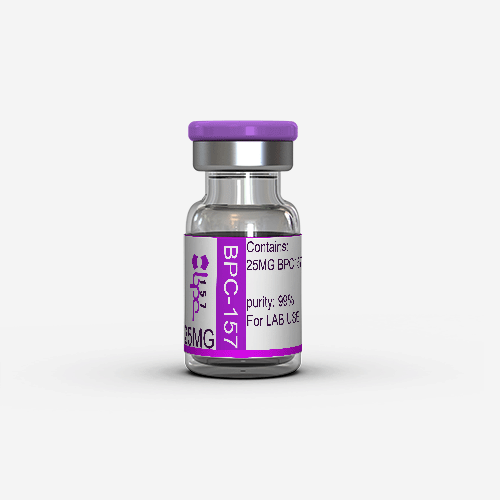
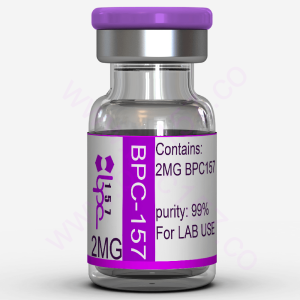
Packaging and Presentation of BPC157 25mg
BPC157 25mg is typically supplied in sealed glass vials designed to protect against environmental exposure. Labels usually include:
- Peptide name
- Net peptide content (25mg)
- Batch or lot number
- Storage recommendations
Proper packaging helps maintain the chemical integrity of BPC157 25mg during transport and storage.
Conclusion
BPC157 25mg is a high-capacity peptide format designed for professional laboratory research environments. Its defined molecular structure, high purity standards, and suitability for extended studies make BPC157 25mg a practical choice for peptide-focused research programs.
When sourced from a reputable supplier and handled according to laboratory best practices, BPC157 25mg supports consistent, reproducible experimental outcomes while meeting modern research standards.





Reviews
There are no reviews yet.